
Sustainable Home Construction Tips in Kenya
With the growing need for resource efficiency and climate change adaptation in the building industry in Kenya, construction workers must employ sustainable techniques such as utilising recyclable materials and energy-efficient systems. Adopting sustainable practices enables building experts to reduce operational costs, construction waste, extend the longevity of structures, preserve the environment, and improve property value. Planning to construct, renovate, or remodel your home and want to make the building more energy-efficient and environmentally friendly? If so, you can choose our professional sustainable construction services in Kenya.
Our expert team applies innovative methods and utilises eco-friendly building materials in Kenya to create healthy, comfortable, and secure places to reside. Kapstone Works Africa Limited is the best sustainable construction company in Kenya, as we design exceptional buildings while prioritising the seven principles of sustainable construction. This article highlights essential tips construction experts can apply for sustainable home construction in Kenya, including but not limited to sourcing renewable materials, disposing of construction waste responsibly, and investing in renewable energy. We also highlight the benefits of sustainability in construction.
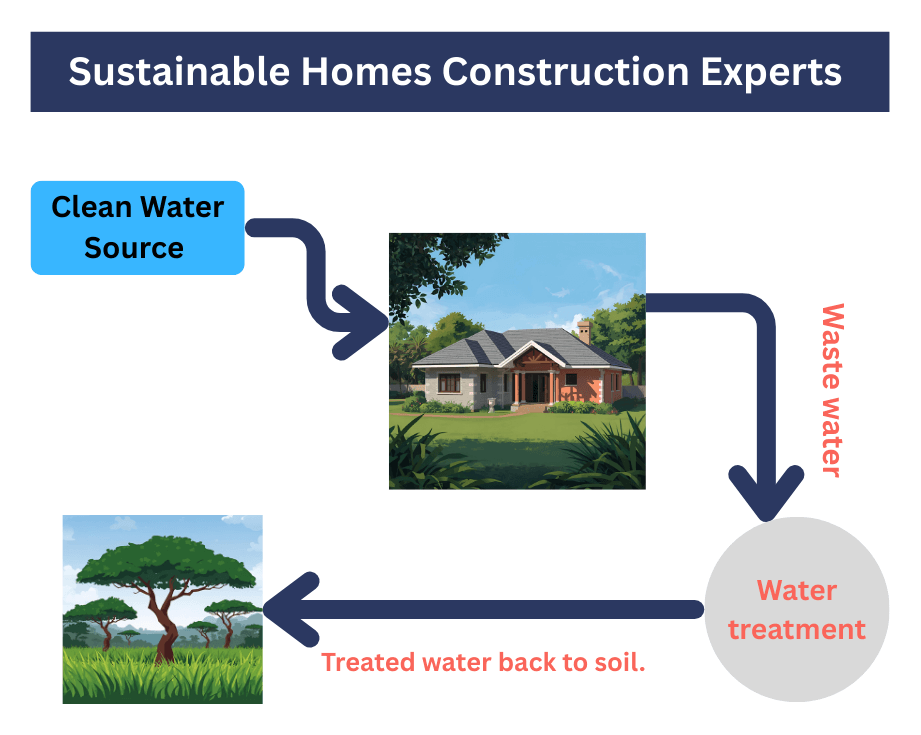
What is Sustainable Construction?
Sustainable construction involves using recyclable and renewable materials in building to minimise energy use and harmful waste. Contractors using sustainable construction aim to decrease the building industry’s impact on the environment by employing eco-friendly procedures, practising energy efficiency, and adopting green technology. To accomplish sustainable construction, seven main principles are used to guide the process, which include:
- Developing a sustainable design that minimises adverse environmental impact.
- Utilising sustainable materials that are renewable or recyclable.
- Waste reduction.
- Prioritising energy efficiency.
- Making durable structures.
- Conserving water using appropriate measures.
- Improving indoor air quality to enable comfortable and healthy environments.
Useful Tips for Sustainable Home Construction in Kenya
1. Utilise Sustainable and Recycled Construction Materials
Sustainable construction materials are designed to minimise environmental impact throughout their life cycle, from extraction to their reuse or recycling, such as mass timber, bendable concrete, bamboo, salvage materials, and mycelium. Recycled materials are products that have been previously utilised in other building projects and are reprocessed to be used again, including recycled aggregates and reclaimed metals. By reusing building materials or choosing sustainable alternatives, construction workers lessen the demand for new resources, so fewer natural products and aggregates are extracted from land. Using sustainable and recycled materials not only helps in the conservation of Kenya’s resources but also decreases energy consumption and carbon emissions from producing new building materials.
2. Dispose of Waste Materials Responsibly
Construction sites in Kenya generate large volumes of waste, including concrete, wood waste, drywall, plasterboard, metal scraps, rebar, packaging waste, excavated rocks and soil, asbestos, and hazardous materials, which have a negative impact on the environment if mismanaged. Constructors can employ various methods to enable proper disposal of building waste materials, such as recycling or reusing resources, donating unutilised supplies, or working with reliable supply chain partners who retrieve excess resources. By properly disposing of construction waste, contractors reduce the amount of garbage that is deposited in landfills, enabling the conservation of Kenya’s natural resources and reducing harmful gas emissions. In case you need sustainable home construction, you can reach out to our experts, whether you need to build an apartment, a bungalow, a septic tank, a biodigester, or a hospital, among other structures.
3. Focus on Energy Efficiency in the Building Site
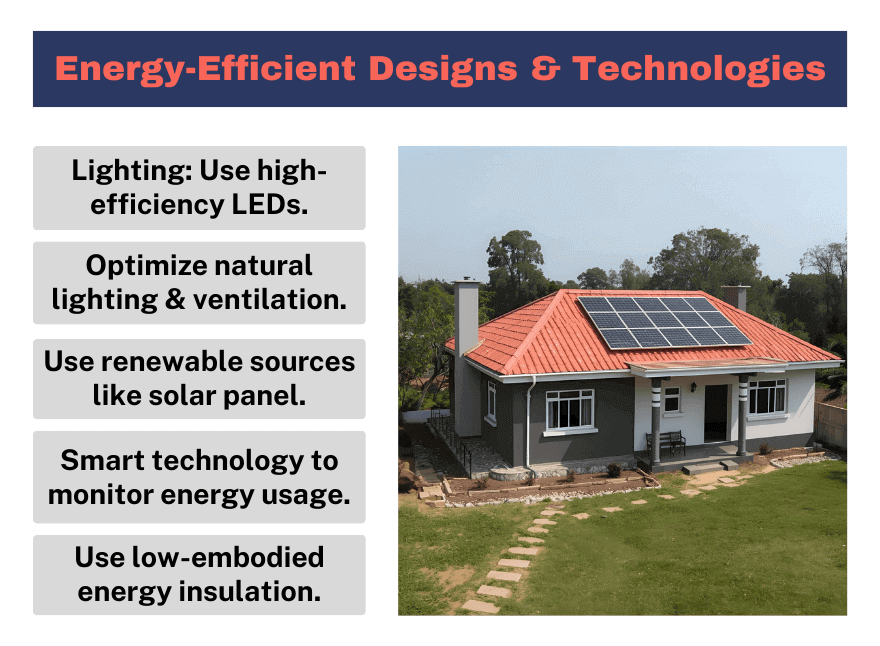
The building sector in Kenya is one of the most energy-intensive industries, with heavy machinery, heat, and power systems operating in one area; thus, reducing energy consumption on-site is crucial to maintain sustainability. Some strategies construction workers can employ to prioritise energy efficiency include:
- Using the right-sized generator which is most suitable for their site.
- Utilising high-quality fuels for construction equipment.
- Actively reduce energy consumption from lighting.
- Manage electricity consumption with an energy monitoring system.
- Invest in automated lighting systems and sensor technology.
By reducing energy use on construction sites, constructors lower operating expenses, reduce carbon footprint, and contribute to a healthy working environment.
4. Invest in Renewable Energy On-Site
Renewable energy is acquired from replenishable sources such as the sun, hot springs, and tides that individuals cannot run out of. Utilising the power of renewable energy, such as solar, wind power, hydroelectric power, geothermal energy, biomass, and biofuels, eliminates overreliance on fossil fuels, thus enabling construction workers to reduce harmful gas emissions to the environment. By investing in renewable energy on the site of construction, experts offer the property owner a compelling Return on Investment (ROI). At Kapstone Works Africa Limited, we build sustainable homes, whether it is a two or a three-bedroom bungalow, reach out for the best construction services in Kenya.
5. Get a Reliable Supply Chain for Sustainable Materials
Constructors should select reliable suppliers with the same dedication to sustainability who provide quality materials and services in an eco-friendly manner. To get a sustainable supply chain, set clear sustainable home construction goals, conduct an audit, and collaborate closely with the suppliers to ensure alignment with environmental standards. At Kapstone Works Africa Limited, we partner with dependable suppliers who embrace eco-friendly practices to minimise the environmental impact of our construction projects.
The Benefits of Applying Sustainable Home Construction Practices in Kenya
- Promotes a healthy home environment. Sustainable buildings are constructed with features that encourage healthy indoor spaces, such as better air quality, sufficient natural lighting, and green spaces, which improve the occupants’ mental and physical well-being, leading to maximum satisfaction.
- Enables carbon footprint reduction. Utilising renewable and eco-friendly materials such as reclaimed wood, recycled steel, and bamboo greatly reduces carbon emissions, which in turn lowers the overall carbon footprint of construction projects in Kenya.
- Decreases the cost of construction materials. Sustainable construction mainly uses recycled materials, which are usually of higher quality but cheaper than new ones. Additionally, materials utilised in green buildings are usually designed for durability, thus eliminating the need for multiple replacements and repairs.
- Reduces waste materials. By selecting eco-friendly building materials in Kenya that are both durable and recyclable, construction workers reduce the amount of construction and demolition debris (C&D) waste that is usually deposited in landfills.
Summary
The construction industry in Kenya consumes a large percentage of the country’s national resources, thereby necessitating the need to come up with sustainable practices that reduce its negative environmental impact. From sourcing sustainable materials and responsibly disposing of waste to investing in renewable energy, following our professional tips enables homeowners to reduce their operational costs, improve the value of their properties, and construct long-term residential buildings. If you are interested in getting our affordable, sustainable housing services, feel free to get in touch with our professional construction consultants now and discover how we can benefit you. Contact us or visit our offices along the Eastern Bypass at Three Units Complex, First Floor, next to the Total Petrol Station.